PITA is internet and texting slang for “Pain In The Ass.” People use it to describe someone or something annoying, frustrating, or a hassle to deal with. It’s casual and mildly rude, so it fits texts and social posts more than formal writing.
Key Takeaways
- PITA is a slang acronym for “Pain In The Ass.”
- It describes a person, task, or situation that’s annoying or difficult.
- The exact origin is unclear, but it grew popular through texting and online chat shorthand.
- It’s still used today across texts, group chats, and social media captions.
- The tone is mildly negative and informal not meant for professional settings.
- “Pita” (lowercase, no caps) also refers to the round, pocketed flatbread a completely different word with no slang connection.
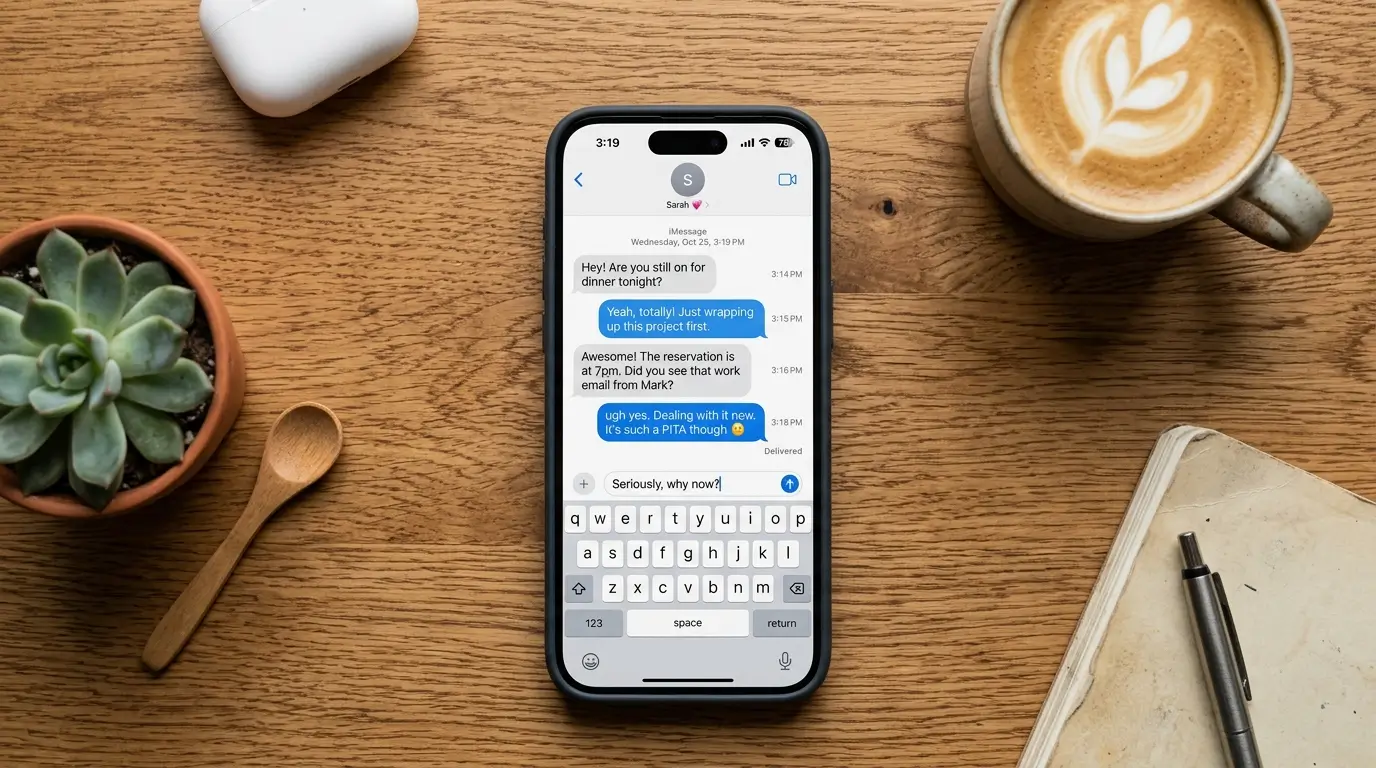
If you’ve seen someone type “ugh, my coworker is such a PITA” and had no idea what it meant, you’re not alone. This slang term shows up in texts, comments, and casual chats, and it can be confusing the first time you see it especially since “pita” is also a type of bread.
People search for pita meaning slang because the acronym looks like a regular word, which makes it easy to misread. It doesn’t scream “abbreviation” the way something like LOL or BRB does, so context clues matter a lot here.
This slang term is still active today. You’ll spot it in texts between friends, venting posts on social media, and casual workplace chat (usually about a frustrating task or an annoying coworker).
It’s not brand new, and it’s not fading away either it just quietly sticks around as one of those handy shorthand terms people reach for when something is a hassle.
By the end of this guide, you’ll know exactly what the term means, where it likely came from, how to use it correctly, and when to avoid it.
We’ll also cover the bread meaning, common mix ups, and real examples so you can use it with confidence.
What Does PITA Meaning Slang Mean?
PITA meaning slang refers to the phrase “Pain In The Ass,” used to describe anything annoying, frustrating, or difficult to deal with. It can describe a person, a chore, a process, or even a whole day.
Here are a few ways it shows up:
- Describing a person: “He’s a total PITA when he’s tired.”
- Describing a task: “Filling out this form is such a PITA.”
- Describing a situation: “Traffic today was a PITA.”
The word works as a noun in almost every case you’re calling something “a PITA” the same way you’d call it “a hassle” or “a headache.” It’s rarely used as a verb or adjective on its own.
Because it’s an acronym for a mildly crude phrase, tone matters. Among friends, it reads as light complaining. In a work email to your boss, it can come across as unprofessional or even rude, since “ass” is baked into the full meaning even though the letters hide it.
Quick Meaning Box
| Meaning | Simple Explanation |
| PITA (acronym) | “Pain In The Ass” something or someone annoying |
| pita (food) | Round, soft flatbread with a pocket, common in Mediterranean and Middle Eastern cooking |
| PITA (tone) | Casual, mildly rude, used to vent or complain lightly |
Pronunciation
Said as an acronym, PITA is usually pronounced like the word “beater” PEE tuh. That’s the same pronunciation as pita bread, which is part of why the two get confused in conversation. You won’t usually hear people spell it out letter by letter (P I T A); it’s said as one word.
Where Does PITA Meaning Slang Come From?
The exact origin of PITA as slang is unclear. Like many texting acronyms, it likely grew out of everyday shorthand people used to save time when typing on early cell phones and in online chatrooms, where abbreviating common complaints was normal.
“Pain in the ass” itself is a much older English phrase, used for decades before texting existed, to describe someone or something irritating.
The acronym version is simply a shortcut for that phrase, built the same way other texting slang formed by taking the first letter of each word in a common saying.
There’s no confirmed inventor, platform, or exact year tied to PITA as an acronym. It fits the same pattern as other function based texting shorthand (like similar acronyms for annoying situations), where the phrase existed first and the abbreviation caught on later as digital messaging spread.
History of the Term
The phrase “pain in the ass” has been part of casual English speech for a long time, well before texting or the internet.
Once mobile texting and instant messaging took off in the late 1990s and 2000s, shortening common phrases into acronyms became a normal habit, largely to save time and characters.
PITA fits into that wave of shorthand alongside other everyday acronyms. As texting became universal and social media added character limits and casual tone expectations, acronyms like this one kept getting reused because they’re quick and instantly understood by anyone familiar with texting culture.
There’s no clear evidence of a specific viral moment or resurgence tied to PITA. It has stayed in steady, quiet use rather than spiking in popularity, which is common for practical shorthand that people use out of habit rather than trend.
How People Use It Today
People still use PITA in everyday digital communication, mainly in texts, group chats, and casual social posts. It shows up when someone wants to vent quickly without writing out the full phrase.
You’ll see it most in:
- Texting between friends or family, complaining about a task or person
- Group chats, especially work or friend groups venting about a shared annoyance
- Social media captions, often paired with a joke or a relatable complaint
- Casual online forums, where people describe frustrating experiences briefly
It’s less common as a hashtag or trending term, since it’s more of a functional shorthand than a cultural buzzword. It doesn’t really “trend” it’s just quietly used whenever the moment calls for it.
PITA Meaning Slang Urban Dictionary
On Urban Dictionary, entries for PITA consistently point to “Pain In The Ass,” describing an annoying person, task, or situation. That lines up with how the term is actually used in texts and online conversation.
Urban Dictionary is user submitted, so definitions can vary in wording and examples, but the core meaning across entries stays consistent. It’s worth remembering that Urban Dictionary isn’t a formal dictionary source it’s a crowdsourced slang reference, useful for confirming casual usage but not an authoritative etymology source.
What Is a PITA Slang
A PITA, in slang terms, is anything that causes hassle or frustration a difficult person, an annoying chore, or a frustrating situation. It’s used the same way people might say “what a headache” or “what a hassle,” just shorter and a little edgier.
The phrase works well because it’s flexible. You can call a person a PITA, call a task a PITA, or call an entire day a PITA. It doesn’t need much setup the word alone signals frustration.
PITA Meaning Internet Slang
As internet slang, PITA functions as a quick way to complain without typing out a full sentence. It fits neatly into texts, tweets, and captions where brevity matters.
Internet slang like this thrives because it’s efficient. Instead of typing “this is such a pain in the ass,” someone can type “such a PITA” and get the same point across in fewer characters, while still sounding casual and relatable.
Pitas Meaning Slang
When written in lowercase and plural “pitas” it almost always refers to multiple pita breads, not multiple annoying things. Context usually makes this obvious: “I bought some pitas for dinner” is about food, while “these two are both such PITAs” (capitalized) is about annoying people or tasks.
If the plural slang use does show up, it would follow the same acronym meaning, just applied to more than one annoying thing at once. But this usage is rare compared to the food meaning.
PITA Acronym Meaning Slang
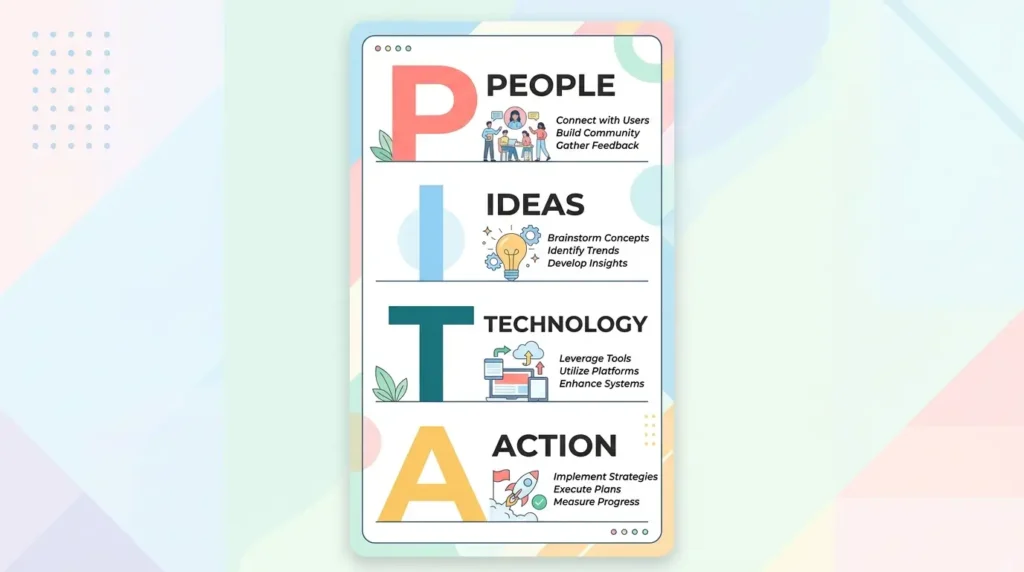
As an acronym, PITA breaks down letter by letter:
- P Pain
- I In
- T The
- A Ass
Put together, it spells out the same phrase people have used casually for years, just condensed into four letters for faster typing.
PITA Bread Slang Meaning
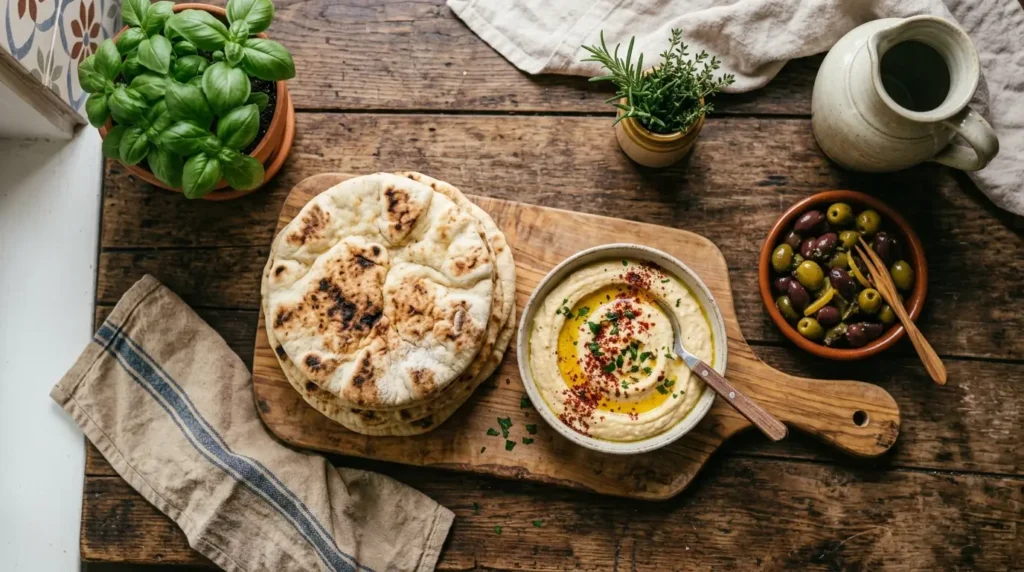
Pita bread itself doesn’t carry a slang meaning it’s simply the name of the round, pocketed flatbread popular in Mediterranean and Middle Eastern cuisine. The confusion with the acronym comes purely from the shared spelling and pronunciation, not from any real connection in meaning.
If someone says “let’s get pita for lunch,” they mean the bread. If someone says “ugh, such a PITA,” they mean the acronym. Capitalization and context are your best clues for telling them apart in writing.
PITA Meaning in English Slang
In English slang broadly, PITA is a mild, informal complaint word. It doesn’t carry strong offense the way harsher slurs or curses do, but it does contain an implied crude word (“ass”), so it sits in that middle zone of casual but not polite language.
It’s common enough that most English speakers who text or use social media will recognize it, even if they don’t use it themselves.
PITA Urdu Word Meaning in English
“Pita” isn’t an established Urdu slang term with its own separate meaning. In English language slang contexts, “pita” is understood as either the flatbread or the “Pain In The Ass” acronym not as a borrowed Urdu word.
If you’ve encountered “pita” used differently in a specific Urdu dialect or regional context, that usage would be separate from the English slang meaning covered here, and it’s worth checking a dedicated Urdu English source for accuracy rather than assuming a slang crossover.
PITA Meaning Slang Spanish
In Spanish, “pita” typically refers to a type of plant fiber (from the agave or century plant) or, in some regions, a whistle sound or a length of cord, depending on dialect.
It is not connected to the English “Pain In The Ass” acronym. If you’re seeing “pita” in a Spanish language context, it’s almost certainly referring to one of these unrelated Spanish meanings rather than the English internet slang term.
Pital Meaning Slang
“Pital” doesn’t have a widely recognized slang meaning in English. It may appear as a surname, a place name, or a variation tied to the Spanish word “pita” (referring to plant fiber), but it isn’t connected to the PITA acronym.
If you came across “pital” expecting a slang definition, it’s most likely a spelling variation or an unrelated word rather than a variant of this acronym.
Examples in Everyday Conversation
- “Sorry I’m late, parking downtown was a total PITA.”
- “My printer is such a PITA, it jams every single time.”
- “He’s a great worker, just a bit of a PITA about deadlines.”
- “Renewing my license was way more of a PITA than I expected.”
- “This spreadsheet formula is a PITA to fix.”
- “Moving apartments is always such a PITA.”
- “My little brother can be a real PITA when he’s bored.”
- “Assembling this furniture was a bigger PITA than the instructions made it seem.”
- “Customer service today was such a PITA to deal with.”
- “Scheduling this meeting across time zones is a PITA.”
Text Message Examples
- “ugh the wifi keeps dropping, such a pita rn”
- “he’s being a pita about splitting the bill again”
- “this app update is a pita, nothing works right”
- “sorry for the late reply, work was a pita today”
- “returning this package is such a pita, so much paperwork”
- “my landlord is being a pita about the repair”
- “group projects are always a pita ngl”
- “car insurance renewal was a total pita this year”
- “she’s sweet but can be a pita when she’s stressed”
- “this recipe looked easy but it’s honestly a pita”
Social Media Caption Examples
- Instagram: “Moving day = certified PITA 😩📦”
- TikTok: “POV: your printer decides to be a PITA right before a deadline”
- X (Twitter): “Renewing my passport was a whole PITA, send help”
- Threads: “This traffic is a PITA today, why is everyone out at once”
- Facebook: “Assembling this crib was more of a PITA than expected, but worth it 😅”
- Instagram: “That one coworker who’s a total PITA but somehow always right”
- TikTok: “Filing taxes: the ultimate PITA experience”
- X (Twitter): “Customer support chatbots are such a PITA, just let me talk to a human”
- Threads: “Meal prepping is a PITA on Sundays but future me thanks me”
- Facebook: “This if has been a PITA all week, rain every single day”
Is PITA Meaning Slang Positive or Negative?
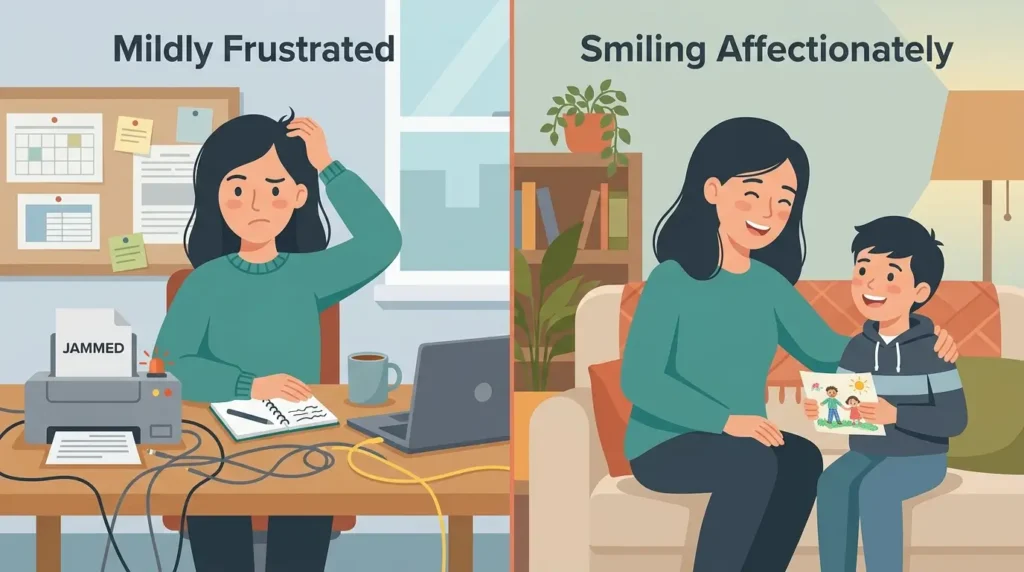
PITA is a negative or mildly negative term. It’s used to express annoyance, frustration, or complaint about a person, task, or situation. It’s not meant as a compliment, though it can sometimes be said with affection, like calling a sibling “a bit of a PITA” without real anger behind it.
The tone shifts based on relationship and context. Between friends, it usually reads as light venting. Directed at a stranger or coworker in a formal setting, it can come across as more pointed or even disrespectful, since it references a crude phrase even if it’s abbreviated.
Misunderstandings can happen if someone doesn’t know the acronym and takes “PITA” literally as the bread, missing the complaint entirely. It can also land wrong if used about a specific person in a professional space, since it implies real irritation.
Who Uses This Slang?
PITA slang is used across a wide age range, not tied to one specific generation or group. Adults use it in texts and emails to friends, teens and young adults use it in group chats and captions, and it shows up casually in workplace chat among coworkers venting about a task.
It’s not tied to a specific subculture, gaming community, or platform. It functions more like general purpose texting shorthand similar to LOL or FYI that a broad range of English speakers recognize and use when something is a hassle.
Similar Slang Words
| Slang | Meaning |
| PITA | Pain In The Ass something annoying or a hassle |
| Hassle | A task or situation that’s frustrating or inconvenient |
| Headache | Something that causes stress or difficulty |
| Nightmare | An extremely frustrating or chaotic situation |
| Pain | Short version of “pain in the ass,” same meaning |
Opposite Words
- Breeze something that’s easy and effortless, the opposite of a PITA.
- Piece of cake a task that’s simple, no hassle at all.
- Smooth sailing describes a situation going easily, without friction.
- No big deal used when something isn’t stressful or annoying.
Common Mistakes
People sometimes confuse PITA the acronym with pita the bread, especially in casual writing where capitalization isn’t consistent. Typing “pita” in lowercase in a sentence about frustration can briefly confuse readers who think you’re talking about food.
Another mistake is using it in formal writing, like a work email or professional message, where the implied crude phrase behind the acronym can come across as unprofessional.
Some people also assume it always describes a person, when it just as often describes a task, object, or situation.
Misspelling is rare since it’s short, but some people write it as “PITA” without realizing it’s an acronym at all, treating it like a regular slang word rather than initials for a longer phrase.
When NOT to Use It
Avoid using PITA in professional emails, official documents, school assignments, or any formal writing. Since the acronym stands in for a crude phrase, it can come across as inappropriate or unprofessional even though the letters soften it.
It’s best kept to casual texts, personal social media posts, or informal chats with people who already understand slang and won’t misread it as a typo for the bread.
In customer service, official complaints, or workplace documentation, spelling out a neutral word like “frustrating” or “difficult” is a safer, clearer choice.
Fun Facts
- PITA is an acronym, not a standalone slang word invented from scratch.
- The phrase “pain in the ass” predates texting by decades.
- Pita bread and PITA slang are pronounced the same way but have completely unrelated meanings.
- The acronym is used as a noun far more often than as an adjective or verb.
- It’s common across age groups, not limited to one generation or platform.
- Capitalization often signals which meaning is intended, though it’s not a strict rule.
Frequently Asked Questions
1:What do you mean by pita?
“Pita” can mean two very different things depending on context. As slang, PITA is an acronym for “Pain In The Ass,” describing something or someone annoying.
As a food word, pita refers to a round, pocketed flatbread. If someone says “pita” in a food related sentence, they mean the bread. If it shows up in a complaint about a task, person, or situation, they mean the acronym.
2:Is pita a swear word?
PITA isn’t a swear word on its own, but it does stand in for a phrase that includes a mildly crude word (“ass”).
Because it’s abbreviated, it reads as softer and more casual than saying the full phrase out loud. It’s generally considered mild slang rather than something offensive, but it’s still not ideal for formal or professional writing.
3:What is pita in urban dictionary?
Urban Dictionary entries for PITA consistently define it as “Pain In The Ass,” used to describe an annoying person, task, or situation.
Since Urban Dictionary is crowdsourced, wording and examples vary between entries, but the core meaning stays the same across most submissions, matching how people actually use the term in texts and online.
4:What does “pita” mean over text?
Over text, “pita” almost always refers to the acronym version “Pain In The Ass” used to complain about something annoying, If that’s a task, a person, or a situation.
Texting is actually the main place this slang shows up, since it’s a quick way to vent without typing a full sentence. The food meaning is far less common in a texting context unless someone’s specifically talking about a meal.
Final Thoughts
PITA is a simple piece of slang once you know the acronym behind it. It stands for “Pain In The Ass,” and people use it casually in texts, chats, and captions to describe anything or anyone frustrating.
The trickiest part is remembering it’s completely separate from pita bread, even though they sound and look identical. Context almost always makes it clear which one someone means.
If you’re using it to vent about a rough commute or a stubborn printer, PITA fits right into casual, everyday digital conversation just save it for texts and social posts, not formal writing.

Daniel Reed creates informative content focused on vocabulary, trending expressions, and language comparisons. His practical writing helps readers discover new insights on slangwordz.com